A microschool is a small, mixed-age learning community of 5 to 15 kids. Here's how they work, what they cost, and how to find every microschool near you.
If you've noticed that "microschool" keeps popping up in your feed, in your neighborhood group chats, and in that one mom's voice at pickup, you're not imagining it.
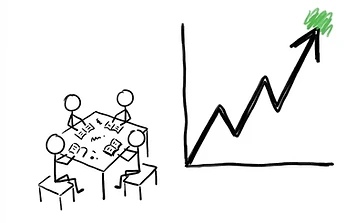
Microschool enrollment is up 387% since 2019. An estimated 2.1 million students now learn in them. And half of all new microschools are founded by Black and brown educators who got tired of waiting for the system to change.
But most parents still can't answer a simple question: what actually is a microschool?
Let's fix that. By the end of this post you'll know exactly what a microschool is, what one costs, whether it's legal where you live, and how to find every microschool near you.
What Is a Microschool?
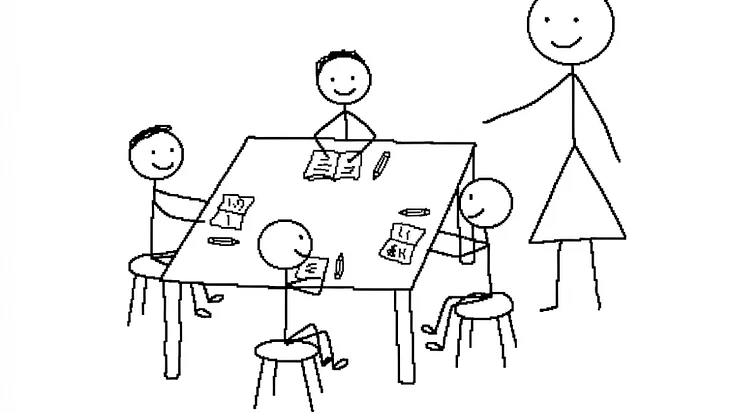
A microschool is a small, independent learning community, typically 5 to 15 students, led by a teacher or small team of educators. Instead of one-size-fits-all lessons aimed at 30 kids, microschools use personalized learning paths, mixed-age groups, and real-world projects.
Think of it as the sweet spot between homeschooling and private school. You get the small size, flexibility, and family feel of a homeschool co-op, with the structure, accountability, and professional teaching of a school.
There's no single microschool blueprint. Some follow Montessori or classical curricula. Some are self-directed, letting kids choose what they learn. Others blend online learning with hands-on workshops. What they share is the conviction that school should be small enough that every kid is known.
That's the definition. Here's why the model is exploding.
Why Microschools Are Booming Right Now
Three forces hit at the same time:
1. Traditional school stopped working for a lot of families. Bullying, rigid curricula, standardized testing pressure, and chronic boredom pushed parents to look elsewhere. When parents went looking, they found microschools.
2. The math finally made sense. Most microschools cost a fraction of private school tuition, often $4,000 to $12,000 a year, and some cost nothing at all.
3. The money followed the kids. This is the part most parents miss. In states with ESA (Education Savings Account) or voucher programs, families can now use state education dollars toward microschool tuition. Half of all microschools now get more than a quarter of their tuition from these programs, up from 38% just last year. If your state has an ESA program, you might already have funding sitting there and not know it.
Microschool vs Private School vs Homeschool Co-op
Microschool vs private school. Private schools are institutions with boards, buildings, and class sizes of 15 to 25. Microschools are intentionally tiny, often meeting in homes, storefronts, or church halls, with mixed-age classes of 5 to 15 kids. You trade the football stadium and the fancy campus for a teacher who knows your kid's name, learning style, and favorite dinosaur.
Microschool vs homeschool co-op. A co-op is usually parent-run, with parents trading off teaching duties. A microschool is run by paid professional educators. You're not the teacher, the janitor, and the principal. You're the parent.
Microschool vs online school. Most microschools are deeply offline: nature walks, workshops, community projects, face time. Some blend in online tools, but the whole point is human connection.
Microschools Near Me
Here's the question every parent eventually types into Google at 11pm: "microschools near me."
And here's the honest problem: microschools are almost invisible online. Most don't have websites. Many are run out of a director's home and discovered only through word of mouth. Google Maps won't show them. They're scattered across Facebook groups, local newsletters, and playground rumors.
That's exactly why we built the Raising Beyond School Directory.
The Directory is a searchable guide to 190+ researched alternative schools around the world, including microschools. Two filters matter most for this search:
Sort by model. Filter the Directory to microschools only and every other school type drops away. You see just the microschools, nothing else.
Sort by location. Enter your country, state, or city, and the Directory shows every microschool near you, with ages served, tuition, languages, and website links. New schools are researched and added continuously, so the list keeps growing.
Instead of weeks of digging through forums, you get the whole picture of what's near you in about two minutes.
The Directory is $29, one time, and it includes every school model, from microschools to Montessori, forest schools, democratic schools, and worldschooling hubs, so it's the only list you'll need no matter where your search leads.
See what's out there:
https://raisingbeyondschool.com/get-the-guide
How Much Does a Microschool Cost?
Most microschools charge between $4,000 and $12,000 per year, far below the average private school. Some charge less, and some are free. In ESA states, your state education dollars can cover part or all of the tuition.
Check whether your state offers an ESA or voucher program before you enroll in anything. That single step can turn a $6,000 tuition bill into $0.
How to Start a Microschool
Many of the fastest-growing microschools started exactly where you might be right now: a parent or teacher with a kitchen table and an idea.
The short version: research your state's regulations, find 5 to 10 families who want in, choose a learning model and curriculum, sort out a space (home, rented room, community center), and decide your tuition structure. Teachers are launching microschools out of their homes in 12-student classes and building thriving communities.
If you can't find a microschool near you, you may be the person who starts one.
Microschool FAQs
Is a microschool legal?
Yes. Microschools operate as private schools, homeschool hybrids, or learning pods depending on the state, and every state allows at least one of those structures. Rules vary, so check your state's requirements.
What ages do microschools serve?
Most serve elementary and middle school ages, but the range is expanding fast, from preschool-only microschools to high school programs.
Do microschools follow a curriculum?
Most follow a chosen model (Montessori, classical, self-directed, project-based) while meeting state requirements. The difference is how they teach it: personalized and flexible rather than standardized.
Can a microschool get my kid into college?
Yes. Microschools that operate as accredited private schools issue standard diplomas. Others support homeschool portfolios or dual enrollment, which colleges increasingly accept.
What's the difference between a microschool and a learning pod?
Learning pods are informal, usually parent-organized groups, often sharing a tutor. A microschool is a sustained, professionally led school with a real curriculum. Pods often grow into microschools.
The Bottom Line
A microschool is what happens when a small group of adults decides a small group of kids deserves to be known. The model works, the growth is real, and the funding is finally catching up.
Your next step is the simplest one: see what's near you.
The Raising Beyond School Directory shows every researched microschool and alternative school by model and by location, so you can go from "microschools near me" to an actual shortlist today.
Get the Directory for $29:
https://raisingbeyondschool.com/get-the-guide
The Raising Beyond School Team