The first academic study tracking microschool academic performance followed 400 students for a full year. Here is what the test data reveals for parents.
For years, microschools had a reputation problem. Critics called them glorified study halls or unproven educational experiments. Skeptical parents loved the small class sizes and personalized vibes, but secretly worried their kids would fall behind in core academics.
Now, we finally have hard evidence instead of pure vibes.
The first hard data point on microschool academic performance
A groundbreaking academic study tracked 400 students across 27 microschools for an entire academic year. Researchers measured student progress using standardized i-Ready assessments in reading and math.
The results surprised even the most optimistic alternative education advocates. According to new data published by The 74, over half of the students exceeded their expected annual growth in reading. Meanwhile, 47% exceeded expected growth in math.
That means kids in tiny, non-traditional classrooms are not just keeping up with mainstream peers. They are actively outpacing national growth benchmarks.
Why these numbers hit differently for struggling kids
Here is the part of the study that makes educators sit up and pay attention. Nearly half of the tracked students entered these microschools with special learning needs or documented academic delays.
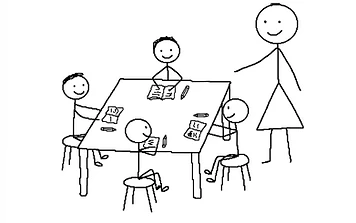
In a standard factory-model school, those kids often drift to the back of the class or get lost in administrative bureaucracy. In a microschool setting with ten or twelve kids, there is nowhere to hide, but there is also no reason to feel left behind.
Teachers can spot confusion instantly and pivot the curriculum on the fly. Kids who were previously labeled as struggling ended up posting growth scores that matched or beat national averages.
Keeping pace without the institutional burnout
Keeping pace in reading and math might sound like a baseline expectation, but context matters. Most of these students came from conventional schools where they were actively failing or deeply disengaged.
Achieving standard academic growth while shedding standardized test anxiety is a massive win for families. Microschools accomplish this without giant budgets, massive administrative teams, or endless hours of passive lectures.
They trade institutional bloat for tight-knit communities where kids actually enjoy showing up every morning.
One study is a start, not a final verdict
To be totally clear, one study tracking 400 students across 27 locations is a promising start rather than a final verdict. Education researchers will need years of longitudinal tracking across thousands more students to declare total victory.
Different microschool models vary widely in curriculum, philosophy, and daily execution. But for parents sitting on the fence, this research destroys the myth that choosing an alternative pathway requires sacrificing academic rigor.
You do not have to pick between your child's mental well-being and their baseline reading scores.
What this means for families exploring alternative education
If you have been hovering on the edge of pulling your kid out of traditional school, the math is becoming clearer. Alternative education models are proving that kids can thrive academically when freed from rigid schedules.
At Raising Beyond School, we see families make this transition every day with remarkable results. When education becomes flexible and student-centered, learning happens naturally.
If this got you wondering what else is out there, the Raising Beyond School Directory has 500+ researched alternative schools around the world, sortable by model, location, price, and age. Get the Directory for $29.